From Concept to Clicks: How Smart Design Turns Visitors into Loyal Clients
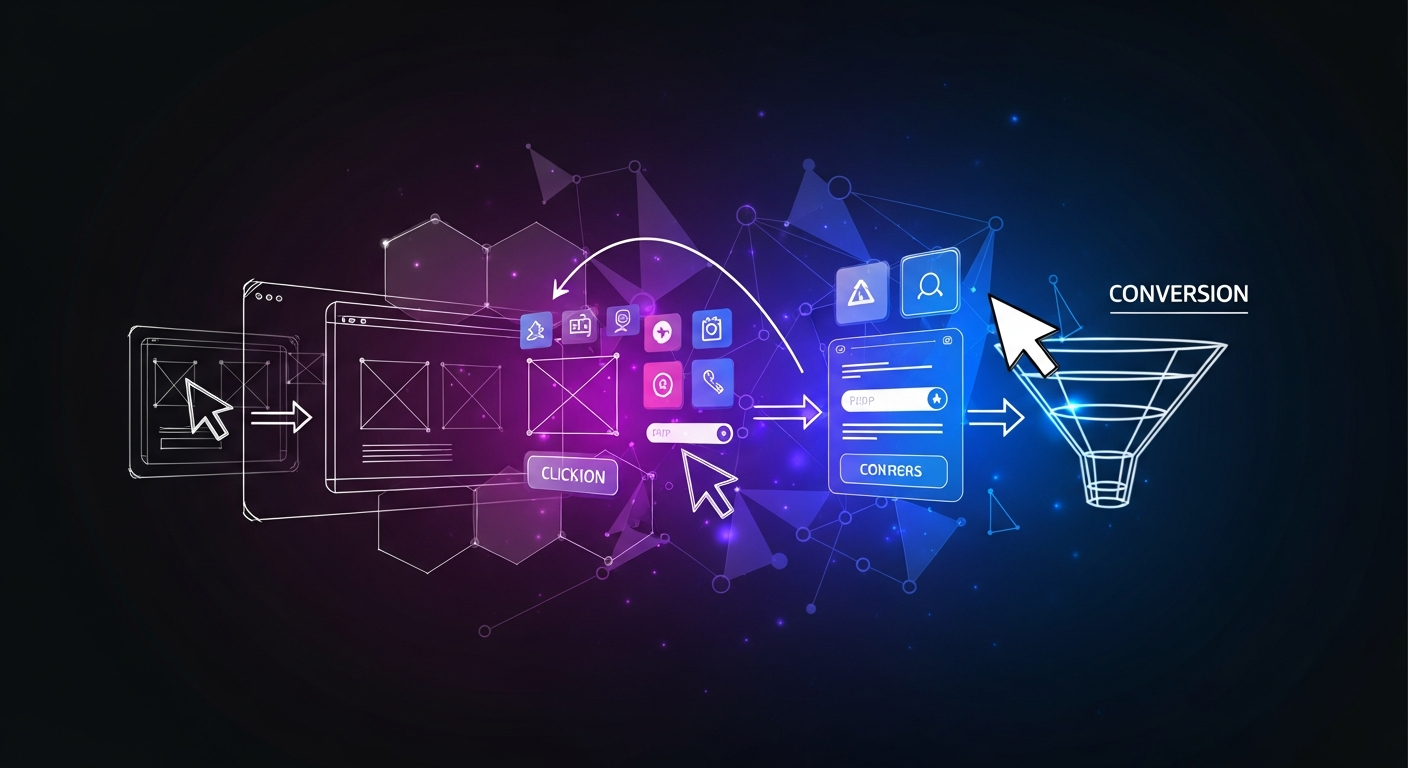
A successful digital presence doesn't stop at grabbing attention—it keeps visitors engaged long enough to earn their trust. Smart design builds that bridge between creativity and measurable client growth.
Turning Design into a Business Strategy
Design is no longer just about aesthetics—it's about intention. Every button, color choice, and headline guides users toward meaningful action. Smart design uses psychology, data, and empathy to convert curiosity into commitment.
The Strategic Role of Design
- Use visual hierarchy to guide focus naturally—the most important elements should command attention first.
- Apply consistent color psychology to reinforce brand identity across every touchpoint.
- Prioritize clarity over complexity in layout and copy. If a visitor has to think too hard, you've already lost them.
Mapping the Customer Journey
Before you design anything, understand how users interact with your brand. Identifying your typical visitor pathways—from first click to conversion—helps you craft an experience that feels tailored and intuitive.
Journey Mapping Steps
- Identify initial touchpoints. Where do visitors first encounter your brand? Social media, search results, referrals, or ads each create different expectations.
- Define their motivations at each stage. A first-time visitor browsing your services has different needs than a returning prospect ready to commit.
- Optimize landing pages for quick, frictionless next steps. Every page should have one clear action that moves visitors forward.
Design Psychology and Emotional Triggers
Color, spacing, and imagery subconsciously affect decision-making. A warm tone palette can create comfort, while bold contrasts communicate confidence. Smart designers use this knowledge to build trust and influence engagement.
Emotional Cues That Convert
Color Psychology
Colors carry associations that vary by culture and context. Choose a palette that fits your brand and the emotion you want to evoke, then test it with your audience.
Whitespace
Strategic whitespace keeps content digestible and gives your message room to breathe. Crowded layouts overwhelm; space creates focus.
Human Connection
Real photography of people fosters trust and connection. Visitors relate to faces more than abstract graphics—use authentic imagery.
Simplifying Navigation to Reduce Drop-Offs
Confusing menus and endless scrolling break the flow. A visitor's attention span is short—your layout must guide them effortlessly from curiosity to action.
Navigation Principles
- Place key CTAs (calls-to-action) above the fold so visitors see them without scrolling.
- Use breadcrumb trails for deeper pages so users always know where they are.
- Keep your main menu under seven items—too many choices lead to decision paralysis.
- Make your mobile navigation thumb-friendly with clear tap targets and logical grouping.
Using Data to Design Better Experiences
Analytics aren't just numbers—they're design fuel. Monitoring heatmaps, click paths, and conversion funnels helps you spot where users leave and why, so you can fix friction before it costs you clients.
Smart Design Tools
Analytics Platforms
Google Analytics and similar tools reveal engagement patterns—which pages keep visitors and which ones lose them. Use this data to prioritize design improvements.
Visual Heatmaps
Tools like Hotjar or Crazy Egg show exactly where users click, scroll, and hover. This visual data reveals what's working and what's being ignored.
A/B Testing
Test different headlines, button colors, layouts, and CTAs to find what converts best. Small changes can produce significant results.
User Feedback
Surveys, session recordings, and direct feedback from real users fill the gaps that quantitative data can't. Listen to your audience.
Building Loyalty After the Click
Smart design doesn't end with conversion—it's about nurturing relationships. The post-purchase experience is where one-time buyers become repeat clients and advocates.
Retention Design Ideas
- Include loyalty incentives or referral programs that reward engagement.
- Design account dashboards that simplify next purchases and make clients feel valued.
- Use clear, friendly visuals in post-purchase experiences—confirmation pages, follow-up emails, and onboarding flows.
- Create personalized thank-you pages that reinforce the relationship, not just confirm the transaction.
Key Takeaways
- Design every element with a business goal in mind. Aesthetic choices should serve conversion, not just decoration.
- Focus on user psychology and journey mapping. Understand how visitors think and move through your site before deciding how it looks.
- Use analytics for continuous optimization. The best websites are never "done"—they evolve based on real user behavior.
- Create memorable experiences that invite repeat engagement. Loyalty starts with a great first impression and grows through consistency.
How Mahogany Sites Turns Concepts into Clicks
At Mahogany Sites, we don't just design websites—we engineer digital experiences that convert. Every project starts with strategy: understanding your audience, mapping their journey, and designing every element to move them from curiosity to commitment.
We help founders, small businesses, and nonprofits:
- Design conversion-focused websites rooted in psychology and data.
- Map customer journeys and optimize every touchpoint for engagement.
- Build post-conversion experiences that turn clients into advocates.
Ready to turn your concept into clicks?
Email: hello@mahoganysites.com
Share this article: