SEO vs. AEO vs. AI Optimization: What Every Business Owner Needs to Know in 2026
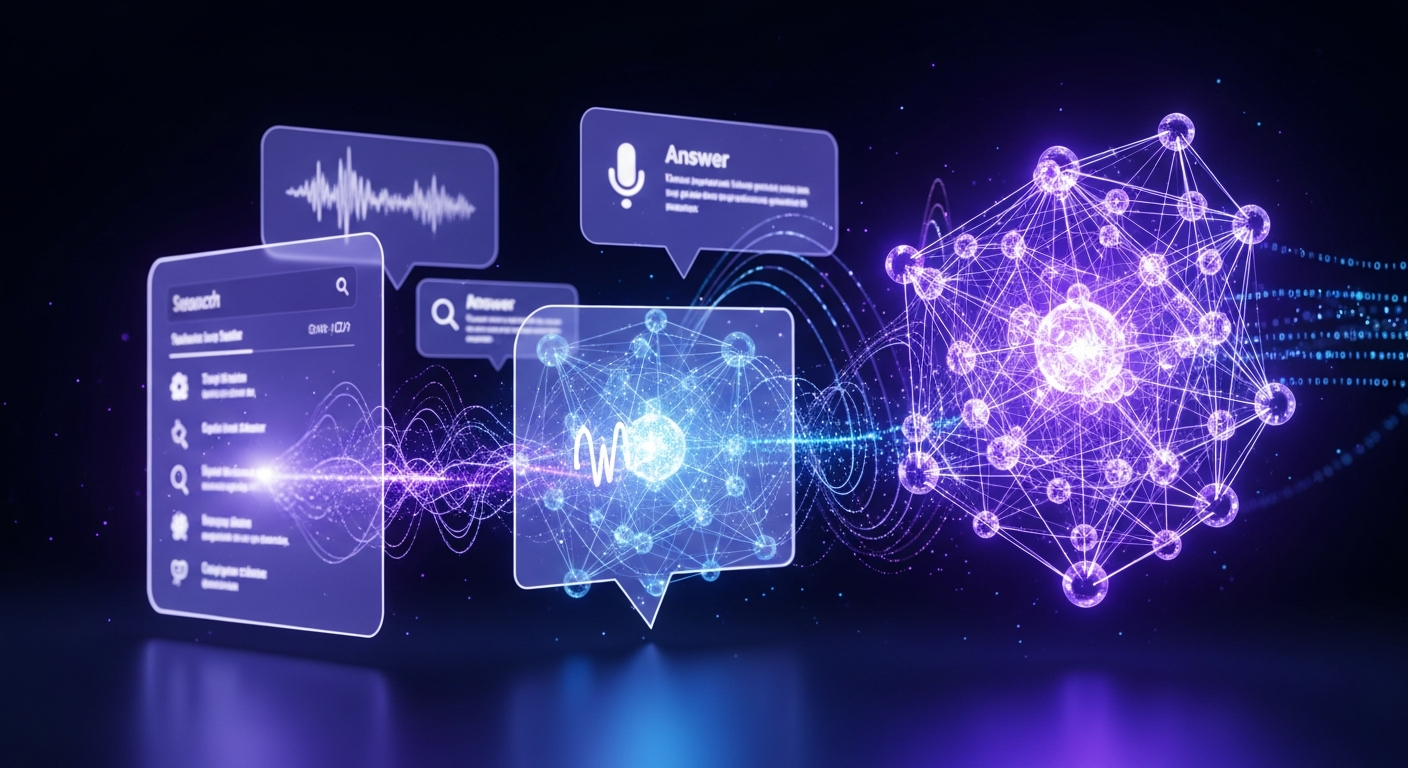
Not long ago, "getting found online" meant one thing: rank on Google. In 2026, the picture is more complex. People are now finding answers through voice assistants, AI-generated summaries, and tools like ChatGPT and Perplexity — often without ever clicking a traditional search result.
If you're a business owner trying to stay visible online, you've probably heard the terms SEO, AEO, and AI optimization thrown around. But what do they actually mean? And do you need to care about all three? This article breaks it down clearly, without the jargon.
What Is SEO? (The Foundation)
Search Engine Optimization (SEO) is the practice of making your website rank higher in traditional search engine results — primarily Google, the most widely used search engine.
SEO has evolved significantly over the years, but the core pillars remain:
Technical SEO
Site speed, mobile-friendliness, crawlability, structured data, and Core Web Vitals. The engineering foundation that makes your site eligible to rank.
On-Page SEO
Relevant keywords in your content, headings, meta titles, and descriptions. Telling search engines clearly what each page is about.
Off-Page SEO
Backlinks from other websites, brand mentions, and your overall authority across the web. Google treats these as votes of trust.
Google's ranking systems also heavily weight E-E-A-T — Experience, Expertise, Authoritativeness, and Trustworthiness. This means content that demonstrates real knowledge and credible sourcing will outperform generic, thin content regardless of keyword stuffing.
SEO is still essential. It's the foundation everything else is built on. But it's no longer the only game in town.
What Is AEO? (The Middle Layer)
Answer Engine Optimization (AEO) is the practice of optimizing your content to be surfaced directly as an answer — rather than just a link to click. Answer engines include voice assistants (Google Assistant, Siri, Amazon Alexa), Google's featured snippets, "People Also Ask" boxes, and the Knowledge Graph.
When someone asks their phone "What's the best way to build a small business website?" and Google reads out an answer, that answer came from a page optimized for AEO. The key difference from traditional SEO:
Traditional SEO Goal
Get users to click your link and visit your website. Success = traffic.
AEO Goal
Be the source whose answer gets read aloud or displayed as the definitive response. Success = authority and brand awareness, even without a click.
How to Optimize for AEO
- Write in question-and-answer format. Structure content around the exact questions your audience asks, then answer them concisely and directly.
- Use schema markup. Structured data (FAQ schema, HowTo schema, Article schema) helps search engines understand and extract your content as answers.
- Keep answers tight. Featured snippets typically pull 40–60 word responses. Lead with the direct answer, then expand.
- Optimize for conversational queries. Voice searches are longer and more natural ("How do I improve my website's loading speed?") versus typed searches ("improve website speed").
- Build topical authority. Cover a subject comprehensively across multiple pages. Engines favor recognized experts in a domain.
What Is AI Optimization? (The New Frontier)
AI Optimization — sometimes called Generative Engine Optimization (GEO) — is the practice of ensuring your brand and content appear in responses generated by AI-powered tools like:
- Google AI Overviews — rolled out broadly in the US in 2024, these AI-generated summaries now appear at the top of many Google results, synthesizing information from multiple sources.
- ChatGPT Search — launched in late 2024, allowing ChatGPT to search the web and cite sources in its answers.
- Perplexity AI — an AI-native search engine that pulls from the web and cites sources directly.
- Microsoft Bing Copilot — Bing's AI-powered search experience integrated into Microsoft's browser and products.
The critical shift: these tools don't just link to pages — they synthesize content and often give users a complete answer without them ever visiting your website. If your content isn't clear and credible enough to be used as a source, you're easy to overlook in that channel.
How AI Tools Decide What to Include
AI engines pull from content that is:
- Authoritative and well-cited. Content that references credible sources, studies, and data is more likely to be used as a trustworthy input.
- Clearly structured. Headers, bullet points, and concise summaries help AI models parse and extract your content accurately.
- Factually accurate. AI models increasingly evaluate accuracy signals — incorrect or vague content gets deprioritized.
- Brand-consistent and widely mentioned. If your brand is mentioned across multiple reputable sources, AI tools are more likely to recognize you as a legitimate authority.
How to Optimize for AI Search
- Write deeply informative, accurate content — not thin keyword-stuffed pages.
- Cite your sources and reference credible external data where relevant.
- Earn mentions and backlinks from respected industry websites.
- Use clear, scannable structure: H2s, H3s, bullet lists, numbered steps.
- Maintain an active, consistent presence — AI tools favor brands with ongoing relevance.
- Ensure your website is technically sound so AI crawlers can access and parse your content.
SEO vs. AEO vs. AI Optimization: Side-by-Side
| Factor | SEO | AEO | AI Optimization |
|---|---|---|---|
| Goal | Rank in search results | Become the direct answer | Be understood and referenced by AI tools |
| Channels | Google, Bing | Voice, featured snippets | ChatGPT, Perplexity, AI Overviews |
| Success metric | Rankings & traffic | Position zero / voice reads | Citations & brand mentions |
| Content style | Keyword-informed pages | Q&A, concise answers | Authoritative, structured, factual |
| Technical need | Site speed, crawlability | Schema markup, FAQ structure | Clean structure, citations, authority |
The Good News: They Share the Same Foundation
Here's what makes this manageable: the best practices for all three channels largely overlap. High-quality, well-structured, accurate content that genuinely helps your audience will perform across SEO, AEO, and AI optimization simultaneously.
- Write for people first. Google, voice assistants, and AI tools are all trying to serve users well. Content that serves users well gets rewarded across all three.
- Be specific and credible. Vague content gets ignored. Specific, accurate, well-sourced content gets used.
- Structure everything clearly. Headers, lists, and direct answers benefit every channel.
- Build genuine authority. Backlinks, brand mentions, and consistent expertise signal trust everywhere — to Google's algorithms, to voice engines, and to AI models.
Key Takeaways
- SEO gets you visible in traditional search results — still the highest-volume channel and the foundation of everything else.
- AEO gets you surfaced as the direct answer in featured snippets and voice search — critical as more queries go voice-first.
- AI Optimization makes your brand and content easier for tools like ChatGPT, Perplexity and Google AI Overviews to understand and reference.
- All three share the same core requirement: genuinely helpful, accurate, well-structured content from a credible source.
How Mahogany Sites Builds for All Three Channels
At Mahogany Sites, we build websites and content strategies designed to perform across every discovery channel — not just Google rankings. From technical SEO foundations to content architecture built for featured snippets and AI answers, we help small businesses improve how they show up wherever their audience is searching. No one can guarantee placement, but we can make you easier to find and to trust.
Ready to build a digital presence that works in 2026 and beyond?
Email: hello@mahoganysites.com
Share this article: