Urban DNA, Digital First: Building a Brand That Feels Local and Looks Global
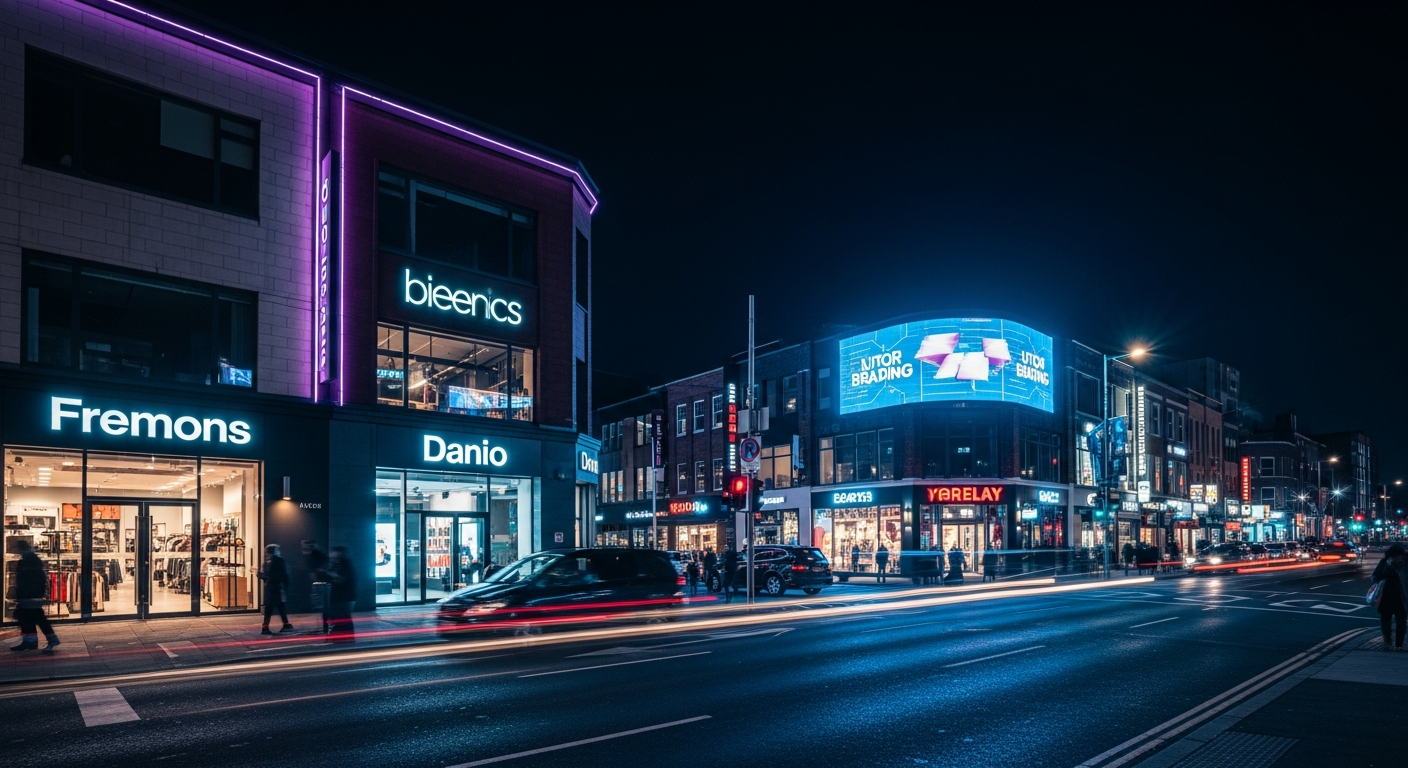
In 2026, the brands winning attention aren't just "online"—they're digital first and culturally grounded. They speak like your city, move like your neighborhood, and still look polished enough to sit next to global players in any feed or search result.
For small businesses, startups, and nonprofits with urban roots, the challenge isn't choosing between local and global. It's learning how to build a brand that feels like home and travels everywhere.
What "Digital First" Really Means in 2026
Digital first doesn't mean "digital only." It means designing your brand, operations, and stories to live natively on screens—social, web, search, apps—then extending that presence into real life.
Key shifts in 2026:
- Customers discover you through digital touchpoints first—search, social, maps, content, creators—then decide if you're worth visiting, booking, or supporting.
- Brands blend omnichannel journeys: local media, social, search, email, and even offline events all feed the same core identity.
- AI and data make personalization expected; people want content that speaks to their location, culture, and context—not generic messaging.
A digital-first brand is built to be seen, understood, and trusted in that environment.
Urban DNA: Why Local Still Wins
Even as digital flattens borders, local relevance is getting more important, not less.
Trends in 2026:
- Hyper-local search and advertising keep growing as platforms get more precise about neighborhoods and regions.
- "Glocal" strategies—thinking globally, acting locally—help small businesses expand reach without losing authenticity.
- Regional language, slang, and cultural references consistently outperform generic campaigns in engagement and trust.
Urban DNA is your lived culture: the way your audience talks, what they care about, the spaces they move through, and the stories that actually resonate. Digital-first just gives that DNA more places to show up.
The Local–Global Brand Equation
A strong 2026 brand strategy looks less like either/or and more like a calibrated balance.
What Stays Consistent (Global Layer)
- Mission and values – The "why" behind your brand should feel the same in every market.
- Core visual identity – Logos, core colors, type hierarchy, and overall aesthetic stay consistent across channels.
- Brand promise – The transformation you deliver remains steady.
What Adapts (Local Layer)
- Messaging and examples – References, slang, and stories reflect local culture.
- Content formats and channels – Prioritize platforms and formats that match local behavior.
- Offers and campaigns – Respond to local seasons, events, and needs.
This is "glocal" strategy: a strong core identity with flexible, local expression.
Pillar 1: Clarify Your Core Brand System
Before going digital-first, you need a brand system that can stretch.
Define Your Non-Negotiables
Document the elements that should not change:
- Brand purpose and mission
- Core values and tone principles (e.g., bold, warm, grounded)
- Visual anchors (logo usage, color rules, type scale)
Craft a Digital-Ready Story
Your brand story should work in short, punchy formats:
- One-line promise
- 2–3 sentence origin story
- Quick proof points (who you serve, what you've done, why you're different)
Pillar 2: Design a Digital Presence That Feels Premium Everywhere
Build a Website That Feels Global, Speaks Local
A digital-first, urban-grounded site in 2026 should:
- Use clean, modern UX and strong visual hierarchy that could sit next to global brands.
- Feature real local cues: photography from your city, community stories, local partners, relevant testimonials.
- Support multilingual or regionalized content if you serve multiple geographies.
- Make sure your site is structured clearly for AI-driven search and discovery.
Treat Social as Your "Street-Level" Brand
In 2026, social is where your local personality lives:
- Share behind-the-scenes, neighborhood footage, and collaborations with local creators.
- Mix polished assets with real, unfiltered content so you feel both premium and human.
- Use platform-native features (Reels, Stories, Lives) to show motion and real time energy.
Your grid can look global; your stories and captions can sound like the block you're from.
Pillar 3: Use "Glocal" Content to Bridge Local and Global Audiences
Create Universal Content With Local Angles
Examples:
- "How [Your City] Creators Are Building Global Brands From Their Bedroom Studios"
- "What Local Wellness Brands Can Learn From Global Luxury Playbooks"
Mix Formats for Depth and Reach
In 2026, winning brands balance:
- Short-form content for reach (short videos, quotes, visual posts).
- Long-form pieces for authority (blogs, guides, case studies, interviews).
- Repurpose one strong idea into multiple formats tuned to different channels and regions.
Pillar 4: Lean Into Hyper-Local, Data-Driven Targeting
Own Your Local SEO and Maps Presence
- Optimize Google Business Profile and local listings with rich descriptions, categories, and media.
- Use locally relevant keywords (neighborhoods, city nicknames) in your content and metadata.
- Encourage reviews and user-generated content to build local trust signals.
Use Paid and Organic "Micro-Targeting"
- Run geo-targeted campaigns around your city, key neighborhoods, or service territories.
- Collaborate with micro-influencers and local media to amplify your presence with real, engaged audiences.
- Build owned channels (email, SMS, community groups) that let you speak directly to your most loyal segments.
Pillar 5: Make AI Work for Localization, Not Homogenization
Use AI to Adapt, Not Copy
Effective uses:
- Translating and adapting content for different regions while preserving tone and nuance.
- Drafting localized campaigns, then refining with real local input from your team or partners.
- Surfacing insights from engagement data by location, language, and segment.
Avoid letting AI erase your specific voice, slang, and references. Your urban DNA should guide the prompts and edits.
Keep Humans in the Loop for Culture
- Have real people review localized content for cultural fit.
- Stay sensitive to local norms, issues, and community boundaries.
- Use AI for speed and scale, humans for taste and judgment.
Checklist: Does Your Brand Feel Local and Look Global?
- Can someone outside your city understand what you do and feel your professionalism in under 10 seconds?
- Can someone inside your city recognize themselves, their language, and their context in your content?
- Is your brand story consistent across your site, socials, and offline touchpoints?
- Are you using data and AI to be more relevant to local audiences, not less?
- Do you look like you could sit next to bigger brands—without pretending to be something you're not?
How Mahogany Sites Helps Brands Become Urban-Global, Digital-First
Mahogany Sites was built for exactly this tension: founders, small businesses, and nonprofits who want a brand that feels grounded in their city but moves like a global player.
We help you:
- Clarify your core brand system so it can stretch across cities and channels.
- Design digital-first websites and experiences that feel premium and perform.
- Build content and campaigns that respect your urban DNA while scaling your reach.
Share this article: